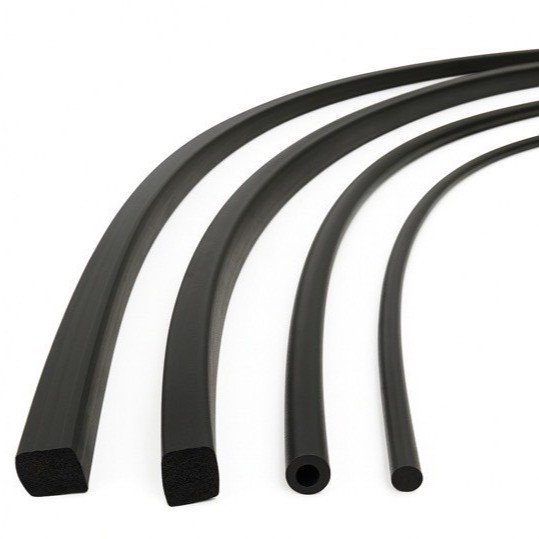
Complete Rubber Material Guide: The Guide for Product Developers
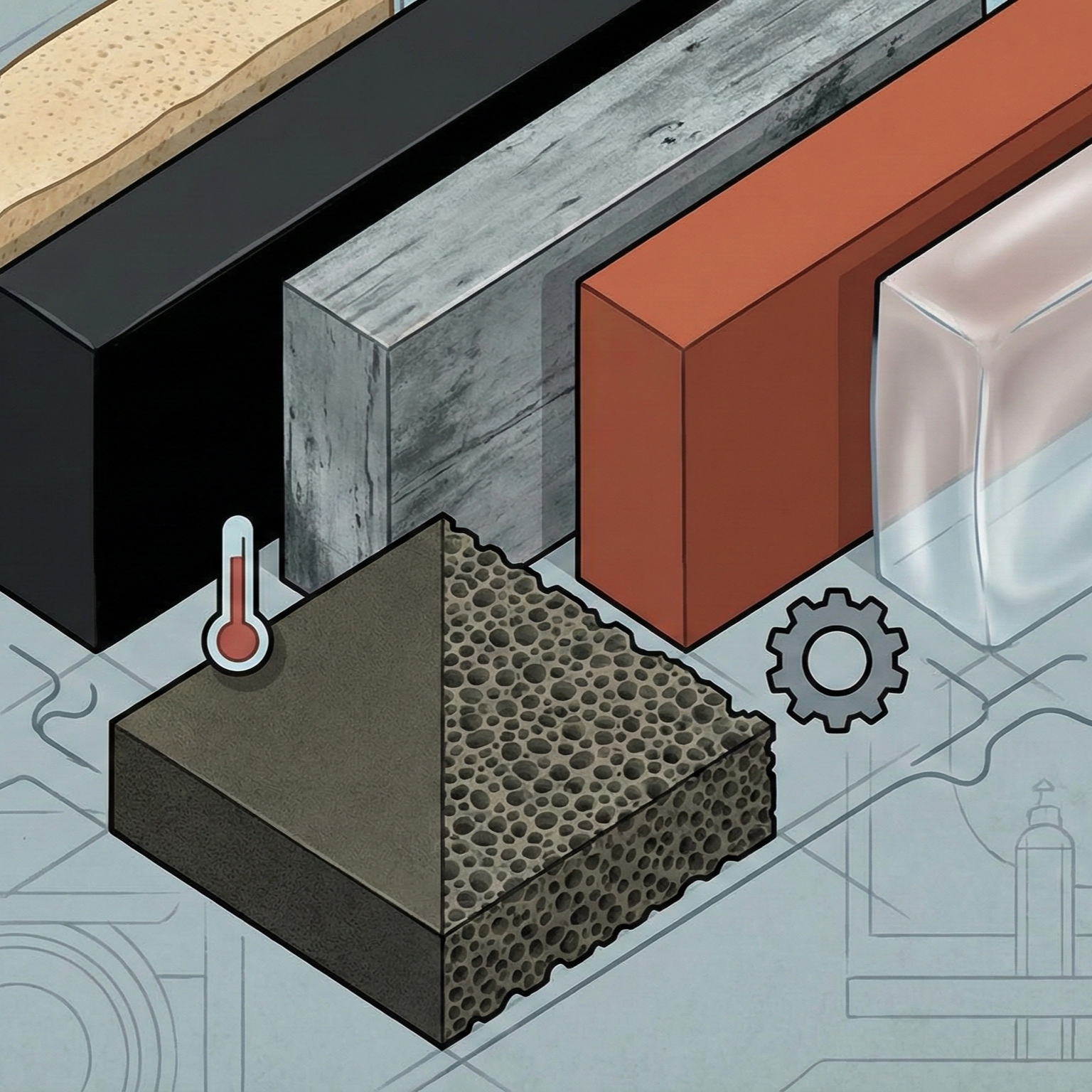
The Business Philosophy of Elastomers: More Than Just "That Black Thing"
In the vast landscape of modern industrial design and product development, rubber is often an underestimated hero. For many freelancers venturing into hardware development or SME owners trying to optimize their supply chains, rubber might just be that item on the Bill of Materials (BOM) labeled as "black, elastic." However, this seemingly insignificant material determines whether your product can withstand deep-sea high pressure, remain flexible in polar winds, or whether it will experience swelling and disintegration upon contact with engine oil.
The world of rubber is far more complex than it appears on the surface. It is a precise balance involving chemical bonds, molecular structures, and processing techniques. As a product decision-maker, you don't need to become a chemistry PhD, but you must master the "material language" to negotiate with suppliers effectively. Choosing the wrong rubber is not merely a matter of replacing a component—it can lead to mass product recalls, destruction of brand reputation, and significant maintenance costs.
This report will take you deep into the microscopic world of rubber, using the most accessible business language to analyze the science and economics hidden behind elasticity.
Nature's Gift vs. Human Innovation: Natural Rubber vs. Synthetic Rubber
The story of rubber begins with nature but reached its zenith in the laboratory. Understanding the differences between these two categories is the starting point for all material selection decisions.
Excellent mechanical resilience and tear strength, but vulnerable to oil and ozone.
Petrochemical products specialized for oil resistance, weather resistance, or extreme temperatures.
1. Natural Rubber (NR): The Irreplaceable Elastic Soul
Natural Rubber (NR) is a gift from the rubber tree (Hevea brasiliensis), with its main component being cis-1,4-polyisoprene. This unique long-chain molecular structure grants it a legendary status among all elastomers—no synthetic material can fully replicate natural rubber's "instant rebound" explosive power and tear strength.
For applications requiring high-frequency dynamic stress, such as sidewalls of high-performance tires, precision instrument damping pads, or latex products requiring excellent tactile feel, natural rubber remains the first choice. Its mechanical strength is extremely high, with excellent wear resistance and puncture resistance, meaning it does not easily break under external force. Additionally, natural rubber comes from renewable resources, making it an attractive choice for brands emphasizing sustainability.
However, natural rubber has its practical limitations. As a bio-based material, it is sensitive to many chemicals in modern industrial environments. Its molecular chains contain unsaturated double bonds, which can be vulnerable to ozone and UV exposure over time. More critically, it is less compatible with oil—contact with gasoline or mineral oil can cause natural rubber to absorb oil and lose its structural integrity.
2. Synthetic Rubber: Industrial Miracle Born from Innovation
The rise of synthetic rubber is closely tied to technological advancement. Synthetic rubber is essentially a petroleum chemical product designed by humans to overcome the deficiencies of natural rubber (particularly oil resistance and weather resistance).
SBR (Styrene-Butadiene Rubber): The Cost-Performance Champion
SBR is the world's highest-volume general-purpose synthetic rubber. While slightly inferior in rebound resilience and tear strength compared to natural rubber, it has better abrasion resistance and heat-aging resistance, and is usually more cost-effective. For ordinary industrial products that don't require extreme oil resistance, such as conveyor belts, shoe soles, or floor mats, SBR is an excellent choice.
NBR (Nitrile Rubber): Guardian of Oil Environments
If your product will come into contact with lubricating oil, hydraulic oil, or fuel, NBR is the standard solution. By introducing acrylonitrile monomers, chemists have endowed this rubber with excellent oil resistance. The higher the acrylonitrile content, the stronger the oil resistance, but the trade-off is reduced flexibility at very low temperatures. NBR is widely used in O-rings, oil seals, and fuel lines. However, it is sensitive to ozone and sunlight, making it unsuitable for direct outdoor exposure.
EPDM (Ethylene Propylene Diene Monomer): The Ultimate Outdoor Solution
EPDM's molecular backbone is saturated, making it highly resistant to ozone and UV attack. This chemical property makes it the leader in outdoor applications. Whether enduring years of sun exposure or high concentrations of ozone, EPDM maintains its physical properties. It is the first choice for building sealing strips, automotive door weatherstrips, and roofing membranes. It also has good resistance to polar solvents but should not be used in contact with mineral oil.
Silicone Rubber: Extreme Temperature Challenger
When the thermometer exceeds 200°C or drops below -60°C, traditional carbon-based rubbers will fail—this is when silicone rubber takes the stage. Silicone rubber's backbone consists of silicon and oxygen atoms (Si-O), granting it high thermal stability and physiological inertness (non-toxic, odorless). This is why it's the first choice for baby products, baking molds, and medical devices. While its tear resistance is lower than natural rubber, its reliability in extreme environments is irreplaceable.
FKM (Fluoroelastomer): Last Line of Chemical Defense
This is the "special forces" of the rubber world. FKM can withstand temperatures exceeding 250°C and resist strong acids, oxidants, and various corrosive chemicals. It is typically used in aerospace, semiconductor manufacturing, and high-performance engine sealing applications where failure tolerance is zero.
Decision Matrix: Five Key Performance Ratings
We compare common rubber materials across five key dimensions: oil resistance, weather resistance, heat resistance, mechanical strength, and relative cost-effectiveness (higher ratings mean more affordable).
| Material | Oil Resistance | Weathering | Heat Resistance | Elasticity |
|---|---|---|---|---|
| Natural Rubber | Limited | Fair | Moderate | Outstanding |
| NBR (Nitrile) | Excellent | Limited | Good | Good |
| EPDM | Poor | Outstanding | Excellent | Moderate |
| Silicone | Moderate | Excellent | Best | Fair |
Material Insights:
- SBR: Cost-performance champion. Suitable for general floor mats and tire treads. Limited oil and weather resistance.
- NBR: Guardian in oil environments. First choice for O-rings and oil seals, requires protection from direct sunlight.
- EPDM: Outdoor specialist. Highly resistant to ozone, ideal for outdoor sealing components.
- FKM: Premium chemical defense. High performance in extreme conditions, but represents a higher investment.
Temperature Range: The Challenge of Heat and Cold
Operating temperatures define the material's lifespan. Before selecting materials, confirm the expected thermal environment for your application.
Structure & Processing: Solid vs. Foam
Beyond chemical composition, the physical form determines functionality and cost structure.
Solid vs. Foam (Sponge)
Solid Rubber
- Physics: Dense and incompressible, excellent for deformation resistance.
- Advantages: High load bearing, superior wear resistance.
- Applications: Machinery foot pads, high-pressure gaskets.
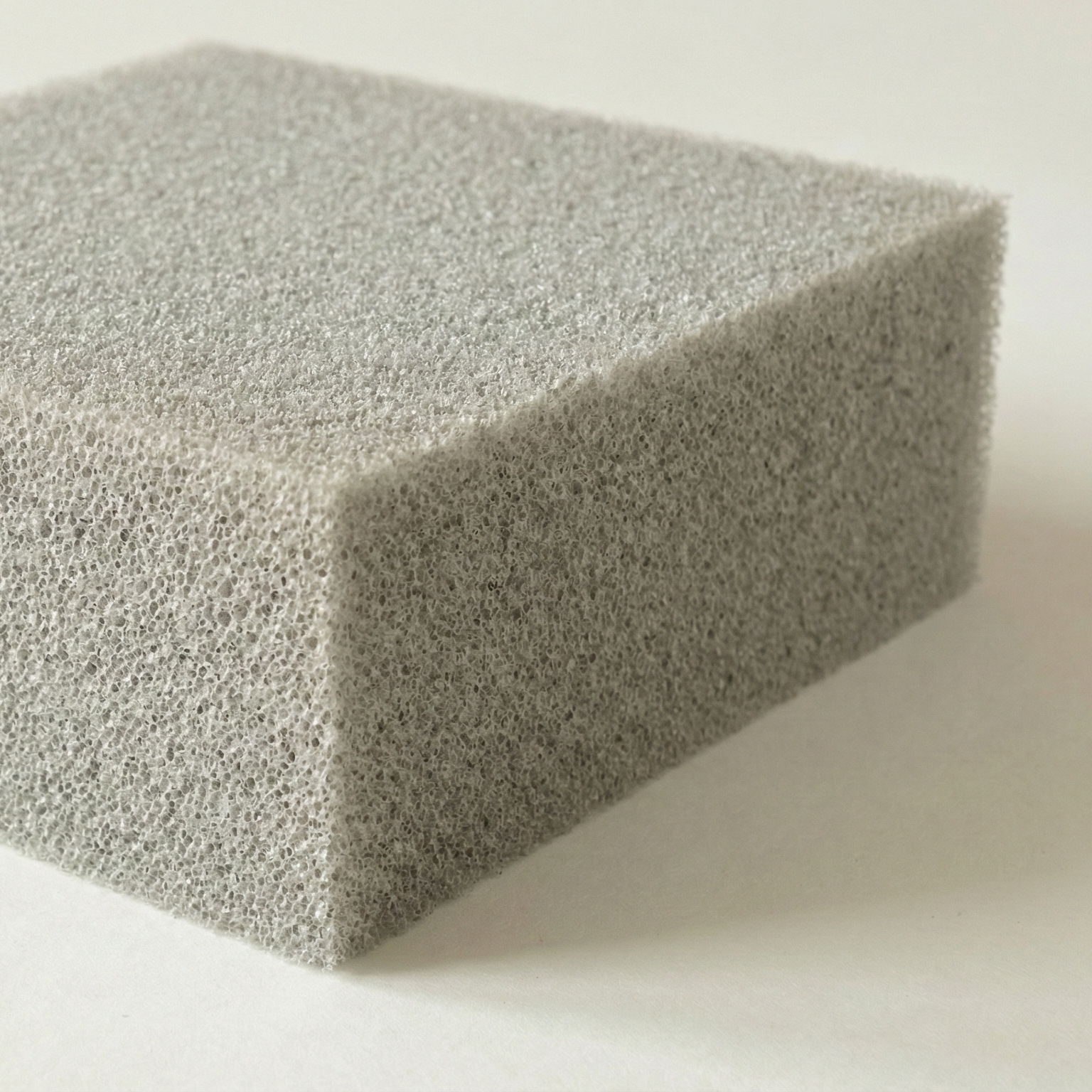
Foam Rubber (Sponge)
- Physics: Contains air cells, highly compressible and lightweight.
- Classification: Open-cell (breathable) vs. Closed-cell (waterproof).
- Applications: Weatherstripping, thermal insulation tubes.
Need professional evaluation of rubber materials? Contact our team for customized recommendations and technical support.