Complete NBR Rubber Guide: Safety and Applications

What is NBR Material?
NBR (Nitrile Butadiene Rubber), also known as nitrile rubber, is a synthetic rubber formed by copolymerization of acrylonitrile and butadiene.
It is renowned for its excellent oil resistance, wear resistance, and airtightness, widely used in gloves, oil seals, gaskets, and food processing conveyor belts. Unlike natural rubber, it does not contain latex proteins, making it the best alternative for people with allergies.
Key Characteristics:
- Excellent oil and chemical resistance
- Superior physical and mechanical properties
- Wide applicable temperature range (-40°C ~ 120°C)
Synthetic Technology
Acrylonitrile content determines oil resistance - the higher the content, the better the oil resistance.
What is NBR Material?
NBR (Nitrile Butadiene Rubber), also known as nitrile rubber, is a synthetic rubber formed by copolymerization of acrylonitrile and butadiene.
It is renowned for its excellent oil resistance, wear resistance, and airtightness, widely used in gloves, oil seals, gaskets, and food processing conveyor belts. Unlike natural rubber, it does not contain latex proteins, making it the best alternative for people with allergies.
Key Characteristics:
- Excellent oil and chemical resistance
- Superior physical and mechanical properties
- Wide applicable temperature range (-40°C ~ 120°C)
Synthetic Technology
Acrylonitrile content determines oil resistance - the higher the content, the better the oil resistance.
Is NBR Rubber Toxic? In-depth Safety Analysis
Many users worry about odors and chemical residues. Here is a data-driven safety analysis.
Non-toxic Finished Products
Cured NBR rubber has stable chemical properties and does not release toxic substances under normal use. Food-grade NBR complies with FDA standards.
About Odors
New products may have a slight rubber smell, which is residual monomer or vulcanizing agent odor. It usually dissipates after ventilation and is harmless to humans.
Allergy Protection
Completely latex-free, significantly reducing the risk of allergic reactions for sensitive users.
Common Concerns and Answers
Q: Is it toxic during manufacturing?
The monomers (acrylonitrile) used in the manufacturing process are toxic, but after polymerization and post-curing treatment, residual amounts are extremely low, meeting strict safety standards.
Q: Does it produce toxic gas when burned?
Standard NBR is not intended for high-heat or open-flame environments; specialized fire-retardant grades should be used where fire safety is a priority.
NBR vs Natural Rubber vs PVC
Why do industrial and medical sectors prefer NBR? Let's compare directly with data.
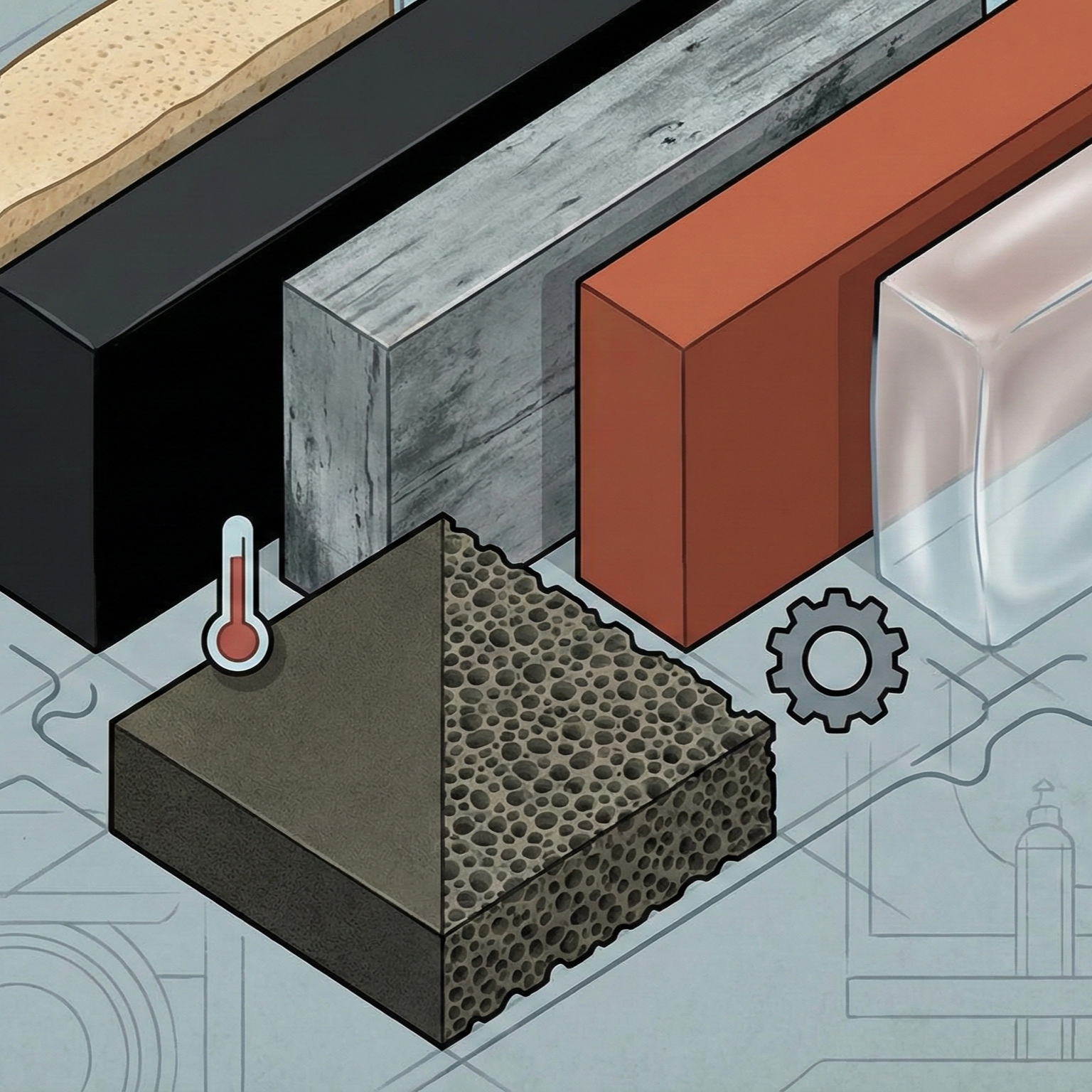
| Property | NBR (Nitrile) | Latex (Natural) | PVC |
|---|---|---|---|
| Oil Resistance | Outstanding | Limited | Moderate |
| Elasticity/Comfort | Good | Best | Low |
| Wear Resistance | Excellent | Stable | Low |
| Anti-allergy Safety | Excellent | Poor | Good |
Advantages and Disadvantages of NBR
✓ Advantages of NBR
- ● Excellent oil resistance (fuel oil, lubricating oil)
- ● Superior airtightness and wear resistance
- ● Better heat resistance than natural rubber
- ● No latex protein allergens
✗ Disadvantages of NBR
- ● Not resistant to ketones and aromatic solvents
- ● Limited cold resistance (pre-evaluation recommended for low-temperature environments)
- ● Electrical insulation is not as good as other rubbers
- ● Price represents a premium for superior performance over PVC
Application Fields
Medical Gloves
NBR gloves have become the standard for medical and chemical laboratories. Their puncture resistance is significantly superior to latex, providing excellent protection without latex allergy risks.
Industrial Seals
Used in automotive O-rings, oil seals, and fuel lines. High ACN content NBR offers excellent resistance to petroleum-based fluids and prevents swelling.
Consumer Products
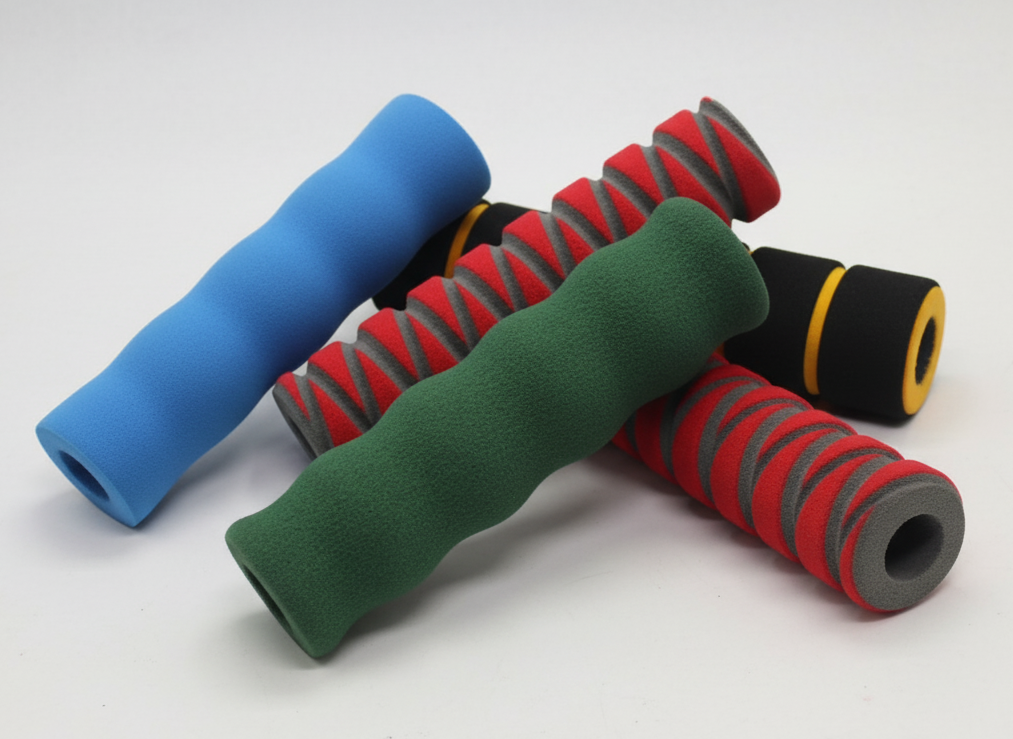
NBR is used in yoga mats providing excellent joint protection, especially suitable for beginners or rehabilitation use.
Conclusion
NBR rubber plays an indispensable role in modern industry and medical systems. Its unique chemical structure makes it irreplaceable in oil resistance and physical protection. When properly manufactured with controlled monomer residuals and correctly disposed of at end-of-life, the benefits far outweigh the risks.
Looking for NBR rubber products for your application? Contact us today for professional recommendations and competitive pricing.