Foam Rubber Commercial Guide: Material Science and Market Applications
Core Summary
Foam rubber is not just rubber filled with air. It's a precision race between expansion and curing. This guide will debunk NBR toxicity myths, analyze Neoprene's versatile properties, and help you make precise business decisions among four mainstream materials through data visualization.
1. Deconstructing Softness: The Dance of Gas and Elastomer
1.1 The Essence of Foam Rubber
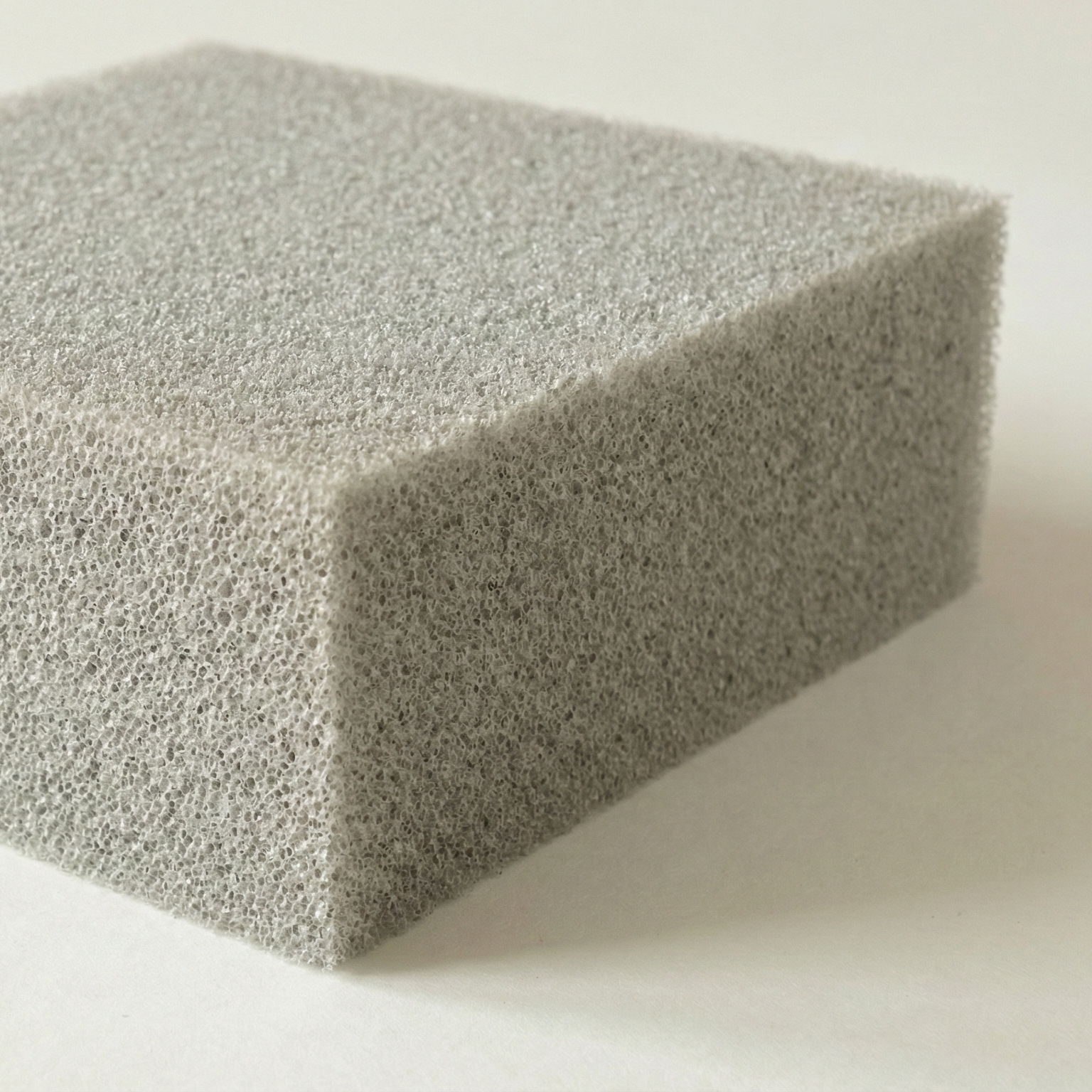
The core of foam rubber lies in density control. By introducing gas into rubber substrate (matrix), we transform originally dense solid rubber into lightweight sponge-like elastomer. This isn't just about "becoming soft" - it's a sophisticated balance between material science and manufacturing precision.
1.2 The Foaming Mechanism: A Precision Race
Foam rubber production involves two simultaneous chemical processes that must be perfectly synchronized:
Gas Generation: Blowing agents (such as azodicarbonamide ADC or sodium bicarbonate) decompose under heat, releasing nitrogen (N₂) or carbon dioxide (CO₂) that create expanding bubbles in the viscous rubber matrix.
Vulcanization (Curing): Crosslinking agents (sulfur or peroxides) simultaneously form chemical bonds between rubber molecular chains, transforming the material from a flowable plastic state to a fixed elastic state.
Foam rubber achieves significant weight reduction while maintaining high performance.
Available in both closed-cell and open-cell structures to meet different functional needs.
Easily compresses to seal irregular surfaces, reducing machining precision requirements and total manufacturing costs.
1.3 Structure Determines Destiny: Open-Cell vs. Closed-Cell
Open-Cell vs. Closed-Cell: This is the first critical checkpoint in material selection. Understanding this distinction is fundamental to successful product design.
Business Insight
For waterproofing, insulation, and high-rebound applications (outdoor equipment, automotive seals) → Closed-cell is the only choice. Its water-rejecting properties ensure product longevity in harsh environments.
For sound absorption, filtration, and ultra-soft tactile applications (recording studio panels, headphone ear pads) → Open-cell provides unmatched functional performance.
2. Is NBR Toxic? Breaking Commercial Myths
2.1 The Chemical Truth: NBR is Chemically Inert
Nitrile Butadiene Rubber (NBR) often intimidates people due to its chemical name. The reality is more nuanced: NBR in its fully cured finished state is chemically inert. The polymer, formed from acrylonitrile and butadiene monomers, creates large, stable molecular chains that don't react with human tissue or absorb into the body.
Scientific Fact
Pure, properly cured NBR polymer is non-toxic in normal use conditions. The real risk comes from two sources: inferior additives used during manufacturing and combustion products in extreme heat.
2.2 Food-Grade NBR: The Gold Standard
For applications involving food contact (food conveyor belts, kitchen appliance seals), standard industrial NBR is insufficient. Food-Grade NBR must meet stringent regulatory requirements including FDA 21 CFR 177.2600.
Procurement Safety Checklist for NBR Products
- ✓ FDA 21 CFR 177.2600 (USA): Gold standard for food contact.
- ✓ REACH Compliance (EU): Ensures no banned substances.
- ✓ RoHS Directive (EU): Limits hazardous substances.
- ✓ SGS Non-Toxic Testing: Third-party verification for consumer products.
3. Material Arena: The Ultimate Showdown of Four Champions
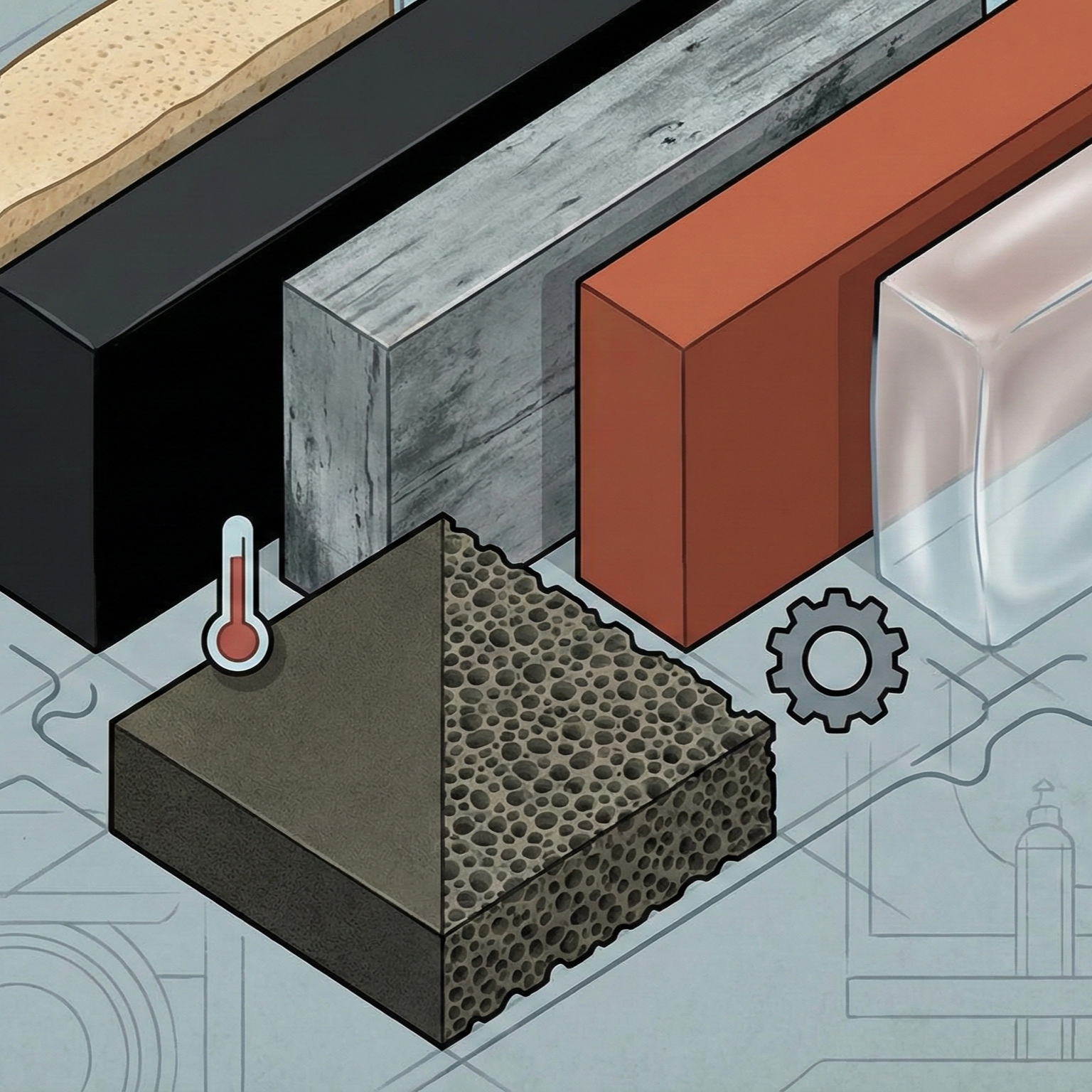
When engineers face NBR, Neoprene (Chloroprene), EPDM, and Silicone, how do they choose? We've quantified these four materials across five key dimensions.
All-Rounder: Neoprene
Perfect balance of oil, weather, and abrasion resistance. It's the top choice for wetsuits and the Swiss Army knife of industrial protection.
Outdoor Champion: EPDM
The UV nemesis. If you need roof waterproofing or automotive sealing, EPDM lasts ten years. But remember: Strictly avoid contact with oils.
Oil-Resistant Expert: NBR
If your environment contains gasoline or hydraulic oil, NBR is the only economical choice. However, its weather resistance is relatively limited; appropriate protection or coatings are recommended for long-term outdoor exposure.
4. Extreme Survival: Temperature Resistance Analysis
Temperature is often the primary cause of seal failure. Silicone is the only solution for extreme environments, while other materials compete in standard industrial ranges.
Need professional foam rubber solutions for your industrial applications? Contact us today for customized material recommendations and technical support.